Resources
Insights From HealthJoy
Insights From HealthJoy
Curated resources, insights, and perspectives from the HealthJoy team, built for benefits leaders, consultants, and the people shaping healthcare today.
Curated resources, insights, and perspectives from the HealthJoy team, built for benefits leaders, consultants, and the people shaping healthcare today.

Blog Post
The 12-Month Warning: Your Members Are Already Telling You What Your 2027 Claims Will Look Like
Most benefits strategies are built on a data signal that arrives too late to change outcomes. Claims data is the most available signal for managing population health risk, but it's a lagging one.
HealthJoy
·

Blog Post
The GLP-1 Policy Gap: What Every Employer Needs to Build Before Their Next Renewal
According to HealthJoy’s 2026 Member Health Goals report, nearly 60% of members have expressed weight loss intent. That’s not a fringe population. That’s the majority of your workforce quietly calculating whether their benefits will cover what they want and what their providers are increasingly willing to prescribe.
HealthJoy
·
Report
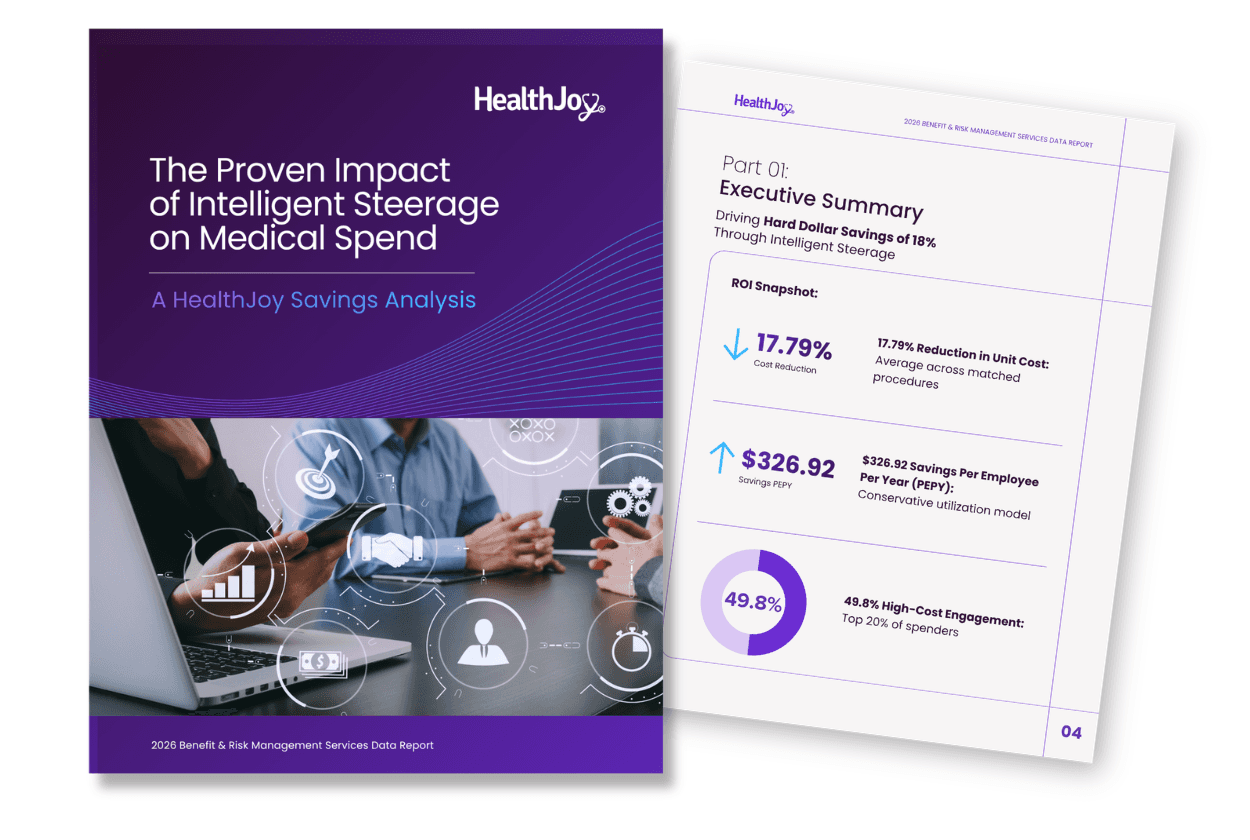
The Impact of Intelligent Steerage on Medical Spend: A HealthJoy Savings Analysis
This third-party validated report quantifies what that navigation gap costs and what happens when it's closed. By matching HealthJoy-guided claims against an identical control group, procedure by procedure, we isolated the true price difference between guided and unguided care.
HealthJoy
·
Report
The 2027 Renewal Crisis: Predictive Insights to Build Better Benefits Strategies
For the fourth year in a row, HealthJoy's Member Health Goals report translates what your members are telling us right now into the data that claims reports can't show you: self-reported health intent from over 100,000 members.
HealthJoy
·

Webinar
From Navigation to Orchestration: What's Next for HealthJoy's Benefits Operating System
HealthJoy is pioneering a new era of benefits: end-to-end orchestration. On June 17th 1pm CST, join us for a webinar as we reintroduce HealthJoy’s Benefits Operating System: the platform that connects benefits strategy to the decisions employees actually make, from enrollment through every care decision across the full plan year.
HealthJoy
·

Blog Post
From Navigation to Orchestration: Closing the Gap Between Benefits Strategy and Employee Decision
Benefits have always had a strategy. It's never had a system. Here's why HealthJoy is changing that, and what end-to-end benefits orchestration means.
Brian Astrachan
·

Blog Post
The Wellness Program That Meets Members Where They Already Are
The administrative burden of running a wellness program shouldn't be the reason it fails. Here's how HealthJoy is changing that.
Brian Astrachan
·
Landing Page
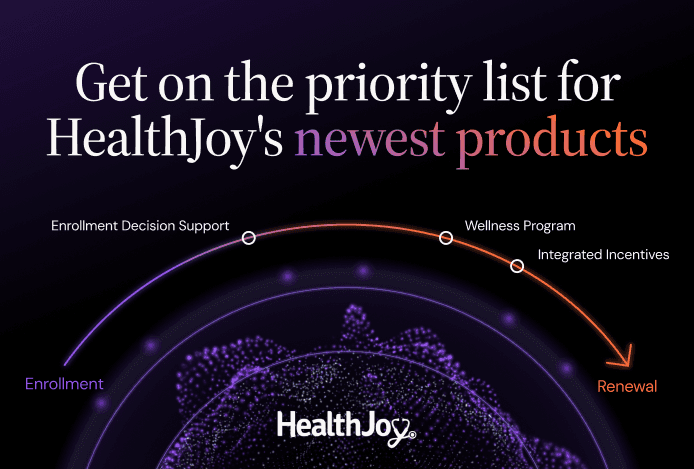
Get on the priority list for HealthJoy’s newest products
·
Press
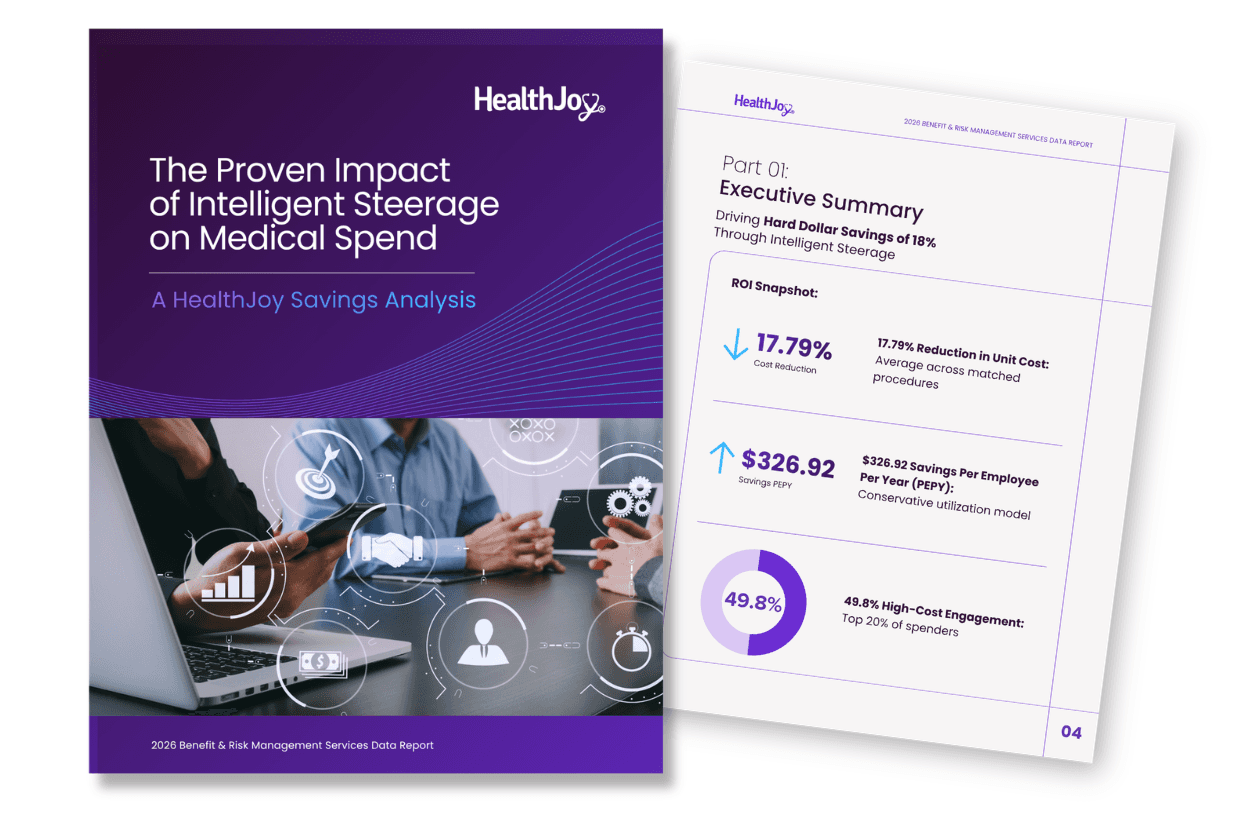
HealthJoy's Benefits Operating System Drives 18% Savings on Medical Procedures Through Intelligent Steerage
Independent analysis confirms HealthJoy saves $327 per employee per year by influencing heavy utilizers and high-volume care categories
HealthJoy
·

Blog Post
More Good Days, Together: Why Solving Chronic Pain is a Key Part of Your Mental Health Strategy
May is Mental Health Awareness Month. It’s a moment when employers, HR teams, and benefits leaders turn their attention to the emotional wellbeing of their workforce. But if your mental health strategy starts and ends with mental health benefits, you may be missing one of the most powerful levers you have.
HealthJoy
·
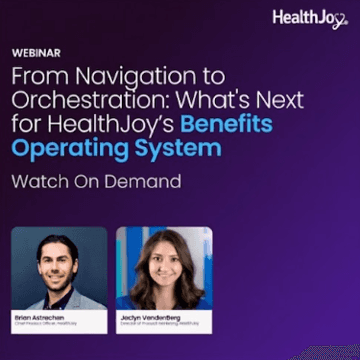
Webinar
On Demand: From Navigation to Orchestration: What's Next for HealthJoy's Benefits Operating System, on demand
HealthJoy is pioneering a new era of benefits: end-to-end orchestration. Watch our webinar as we reintroduce HealthJoy’s Benefits Operating System: the platform that connects benefits strategy to the decisions employees actually make, from enrollment through every care decision across the full plan year.
HealthJoy
·

Press
HealthJoy Moves Beyond Navigation to One End-to-End Benefits Operating System
New capabilities guiding enrollment, wellness, and healthcare decisions aim to drive high-value care year round
HealthJoy
·

Blog Post
Navigation Gets Members to the Door. Incentives Get Them Through It.
The Benefits OS finds the right provider. HealthJoy Incentives makes sure members choose it. And you only pay when savings are real.
Brian Astrachan
·

Blog Post
The Most Important Benefits Decision of the Year Has Never Had Real Support. Until Now.
Enrollment is the highest-leverage moment in the benefits year. Here's how HealthJoy turns it into the starting point of year-round guidance.
Brian Astrachan
·
Blog Post
The 12-Month Warning: Your Members Are Already Telling You What Your 2027 Claims Will Look Like
Most benefits strategies are built on a data signal that arrives too late to change outcomes. Claims data is the most available signal for managing population health risk, but it's a lagging one.
HealthJoy
·
Landing Page
Get on the priority list for HealthJoy’s newest products
·
Blog Post
The GLP-1 Policy Gap: What Every Employer Needs to Build Before Their Next Renewal
According to HealthJoy’s 2026 Member Health Goals report, nearly 60% of members have expressed weight loss intent. That’s not a fringe population. That’s the majority of your workforce quietly calculating whether their benefits will cover what they want and what their providers are increasingly willing to prescribe.
HealthJoy
·
Press
HealthJoy's Benefits Operating System Drives 18% Savings on Medical Procedures Through Intelligent Steerage
Independent analysis confirms HealthJoy saves $327 per employee per year by influencing heavy utilizers and high-volume care categories
HealthJoy
·
Report
The Impact of Intelligent Steerage on Medical Spend: A HealthJoy Savings Analysis
This third-party validated report quantifies what that navigation gap costs and what happens when it's closed. By matching HealthJoy-guided claims against an identical control group, procedure by procedure, we isolated the true price difference between guided and unguided care.
HealthJoy
·
Blog Post
More Good Days, Together: Why Solving Chronic Pain is a Key Part of Your Mental Health Strategy
May is Mental Health Awareness Month. It’s a moment when employers, HR teams, and benefits leaders turn their attention to the emotional wellbeing of their workforce. But if your mental health strategy starts and ends with mental health benefits, you may be missing one of the most powerful levers you have.
HealthJoy
·
Report
The 2027 Renewal Crisis: Predictive Insights to Build Better Benefits Strategies
For the fourth year in a row, HealthJoy's Member Health Goals report translates what your members are telling us right now into the data that claims reports can't show you: self-reported health intent from over 100,000 members.
HealthJoy
·
Webinar
On Demand: From Navigation to Orchestration: What's Next for HealthJoy's Benefits Operating System, on demand
HealthJoy is pioneering a new era of benefits: end-to-end orchestration. Watch our webinar as we reintroduce HealthJoy’s Benefits Operating System: the platform that connects benefits strategy to the decisions employees actually make, from enrollment through every care decision across the full plan year.
HealthJoy
·
Webinar
From Navigation to Orchestration: What's Next for HealthJoy's Benefits Operating System
HealthJoy is pioneering a new era of benefits: end-to-end orchestration. On June 17th 1pm CST, join us for a webinar as we reintroduce HealthJoy’s Benefits Operating System: the platform that connects benefits strategy to the decisions employees actually make, from enrollment through every care decision across the full plan year.
HealthJoy
·
Press
HealthJoy Moves Beyond Navigation to One End-to-End Benefits Operating System
New capabilities guiding enrollment, wellness, and healthcare decisions aim to drive high-value care year round
HealthJoy
·
Blog Post
From Navigation to Orchestration: Closing the Gap Between Benefits Strategy and Employee Decision
Benefits have always had a strategy. It's never had a system. Here's why HealthJoy is changing that, and what end-to-end benefits orchestration means.
Brian Astrachan
·
Blog Post
Navigation Gets Members to the Door. Incentives Get Them Through It.
The Benefits OS finds the right provider. HealthJoy Incentives makes sure members choose it. And you only pay when savings are real.
Brian Astrachan
·
Blog Post
The Wellness Program That Meets Members Where They Already Are
The administrative burden of running a wellness program shouldn't be the reason it fails. Here's how HealthJoy is changing that.
Brian Astrachan
·
Blog Post
The Most Important Benefits Decision of the Year Has Never Had Real Support. Until Now.
Enrollment is the highest-leverage moment in the benefits year. Here's how HealthJoy turns it into the starting point of year-round guidance.
Brian Astrachan
·
The Benefits Operating System, connecting your entire benefits ecosystem into one intelligent platform.
© 2026 HealthJoy. All rights reserved.
The Benefits Operating System, connecting your entire benefits ecosystem into one intelligent platform.
© 2026 HealthJoy. All rights reserved.
The Benefits Operating System, connecting your entire benefits ecosystem into one intelligent platform.
© 2026 HealthJoy. All rights reserved.